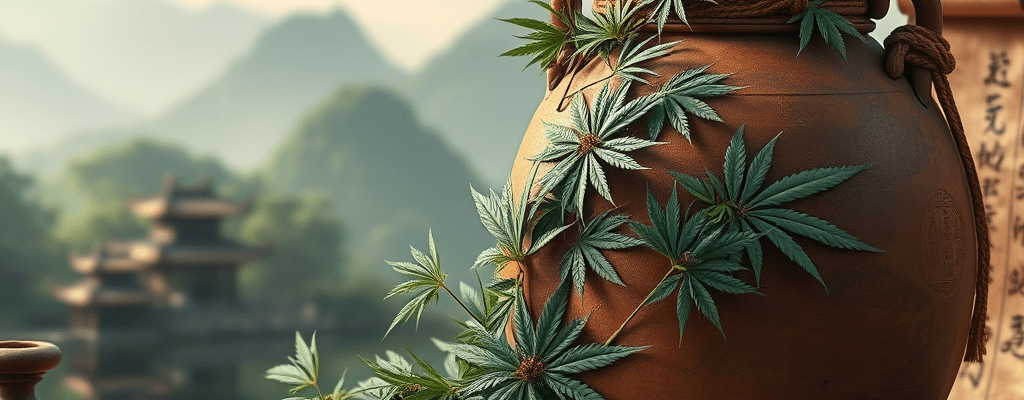
Notes from seminar. Best way to think about cannabis in context is how we want to treat you:
1. Do you want to take a break and detox from cannabis and need acupuncture and herbs to help you through PAWS (Post Acute Withdrawal Syndrome)?
2. Are you a frequent Cannabis smoker and don’t want to stop but open to use acupuncture and herbal formulas to “balance THE HERB” negative effects?
3. Have you never done cannabis in your life and want to add it into your treatment formulas safely, responsibly, with a controlled dosage?
| Marijuana: | |
| THC (Tetro hydro Cannabinol) | Active ingredient THC is Fat soluble. Can hang out in fatty tissues like brain, adipose, and reproductive organs. |
| Smoking it is immediate effect can last 45 min. to 1 hour peak and then taper off for 3 to 4 hours. | |
| Ingesting: takes about 30-40 minutes for effect. 1.5-hour peak, 5-6 hour lowered effect. | |
| Changes how you feel: euphoria, “high”, with an altered sense of time and space. | |
| Effects: red eyes, dry mouth, sweating, coordination problems, paranoia, drowsy, strong appetite, palpitations. | |
| Addictive: physical addiction: Withdrawal: headaches, irritability, sleep disorders, appetite changes, cravings. | |
| Tolerance: heavy users have higher tolerance. | |
| Fat Soluble: Brain is 1/3 fat and our reproductive organs; it can stay in placenta and sperm. Infertility can occur. | |
| Cancers: Head, neck, and lungs are most common. | |
| Psychological: can cause emotional bubbles, addictive behavior within self, not care of others and society barriers. | |
| Health: cause sinus and respiratory/pulmonary issues. |
| Medical Cannabis therapeutics for Chinese Medicine Practitioners | Dr. Noelle Potash D.Ac. L.Ac, MSMCT |
| What is my cannabis use doing to my body from a TCM perspective? | |
| History | 10,000 year old clay jars filled with cannabis |
| 2500 year old mummy with breast cancer buried with cannabis | |
| 2500 year old tombs containing cannabis | |
| Scythians- nomadic people spread the knowledge of how to use cannabis throughout Asia. | |
| Medicinal value | 2700 BCE -1900 ce, recognized as medicine throughout Asia |
| 2000 BCE- Ayurvedic, Persian, and Chinese medical physicians use for gout, epilepsy, pain, infectious disease. | |
| 200 BCE-1900 Ce- used in Americas and Europe for pain, cough, tumors, 100 papers published. | |
| 1914-2000 declared criminal activity. | |
| Cultivation 4 subtypes of cannabis sativa | Narrow leaf-hemp (sativa) |
| Narrow leaf-drug (sativa) | |
| Broad leaf-hemp (indica) | |
| Broad leaf-drug (indica) | |
| ID of different cultivars is based on leaflet size and now in modern times, Phyto cannabinoid ratios. | |
| Classifying the plant into 2 or 3 types (Indica/sativa/ruderalis) does a disservice to the complexities of the plant and makes it really hard to predict therapeutic outcomes. | |
| Cannabis use origins: China | Psychoactive type cannabis was found in northwest province of Xinjiang and the southwest province of Yunnan |
| Documented Chinese uses start over 2000 years ago with the first mention of medical uses in the Pen T’ao Ching in 2737 BCE. | |
| The people of Guangxi province continue to use cannabis in their daily food intake for “longevity”. | |
| Many Names: | Ma Fen: Immature flower |
| Ma Fen is acrid, Balanced. Treats the 7 damages, disinhibits the five viscera, precipitates the blood and cold qi. | |
| Taking to much of it may make one behold ghosts and run frenetically about. | |
| Protracted (for a long time or longer than expected) taking may enable one to communicate with the spirit light and make the body light. | |
| The seed is sweet and balanced. It mainly supplements the center and boosts qi. | |
| Protracted taking may make one fat, strong, and never senile. | |
| Ma Bo, the hemp spike, grows in rivers and valleys. (not/confuse with the Fructificatio Lasiosphaerae) | |
| Mahua- mature cannabis flower. (not/confuse with the Madhuca longifolia) | |
| Divine Farmers Materia Medica | Mafen: It is toxic, breaks accumulations, relieves impediments and disperses pus. |
| The Great Encyclopedia of Chinese Medicinals | Mahua: dispels wind, relieves pain, settles tetany. |
| Indications: Bi syndrome, gout, withdrawal, Mania, insomnia, panting, and cough. | |
| Yao Wu Tu Kao: illustrated analysis of medical substances. | Cannabis moves blood since it descends blood and cold qi. |
| Uses: headache, menstrual pain, irregularities, itching, convulsions, anemia, and dry cough. | |
| Classical Combos (Dui Yao) | Mahua and Cao Wu for severe tetany, wind-bi syndrome. |
| Mafen, Shichang Pu, Gui Jiu (dysoma) for seeing ghosts. 100 days of a morning pill to see ghosts.- Li Shizhen | |
| Mahua and Ren shen (ginseng): forgetfulness. “know the affairs of the world and the 4 directions”. Dementia, Foggy headedness, memory loss. Happiness in heart. | |
| Classical formulations | Mafei powder: Hua tuo’s formula for sedation, analgesic, and surgery |
| Da ma Ren jiu: Mafen and Maziren preparation into wine. | |
| Shui Sheng San: cannabis and daturia. Stupor or slumber for moxa directly on the skin. | |
| Lu rong: aids cannabis. Young horn of deer. | |
| Sun Sumiao: took the leaves and juiced them to add into a liniment for broken bones. | |
| “Eradicates hidden wind inside the body”. For hard to treat Wind-Bi syndrome. | |
| Changes over time | 1995 to 2000: THC 4 to 8% THC in cannabis |
| 2000 to 2015: 8 to 12% THC in cannabis. 20% today. | |
| Chemotype I: THC > CBD | |
| Chemotype II: THC = CBD | |
| Chemotype III: THC < CBD | |
| Endocannabinoid system | 1992 when researching effects of THC |
| The body’s homeostasis system, nervous system, immune system, brain and gut axis, affects everything. | |
| More than receptors: enzymes, ligands (molecule or atom which binds to a protein like o2, dopamine, insulin), receptors to hormones and neurotransmitters | |
| Endocannabinoidome: extends to our microbiome | |
| Found in all vertebrates. Throughout whole body. | |
| Helps us to adapt to environment, stressors, hormones. | |
| Endocannabinoids: 2 Main: | 2-arachidonoylglycerol (2-AG) |
| Arachidonoyl ethanolamine (AEA) | |
| synthesized on demand. Metabolized by FAAH (AEA) and MAGL (2-AG) | |
| 8 other lesser understood endocannabinoids | |
| Endocannabinoid receptors | CB1: in the CNS, brain and organs |
| CB2: in spleen, periphery, immune system, skeletal system | |
| other receptors in the endocannabinoid system | GRP18, GRP119, GRP55 |
| other affected: | 5HT (serotonin), TRPV1, PPARa |
| Locations | CB1: brain, CNS, heart, lungs, digestive organs, skeletal, adipose tissue, blood vessels, eyes. |
| CB2: brain, periferial tissues, immune system, spleen, thymus | |
| GRP18: brain, spine, skin, lymph, intestines, appendix, kidneys, lungs, reproductive organs, immune system. | |
| GRP55: brain, intestines, lungs, pancreas, liver, urinary system, adrenals, adipose tissue, muscle, endothelial, immune cells. | |
| GRP119: colon, ileum, pancreas, B-cells, islets of langerhans, stomach | |
| TRPV1: Chondrocyt4es, brain neurons, epothelial cells, smooth muscles, mast, dendritic, lymphocytes, osteoclasts, hepatocytes, myotubes, fibroblasts, pancreatic B-cells. | |
| 5HT Serotonin: cortex, hippocampus, nucleus accumbens, substantia nigra, ventral tegmental area, brain stem, PNS, enteric nervous system of GI, urinary tract | |
| PPARa: duodenum, heart, kidney, liver, skeletal, adipose, adrenal gland, brain, intestines, kidney, liver , lung, skeletal, spleen. | |
| Cannabis really affects everything! More research is needed. | |
| Retrograde signaling (the Yin and Yang) | DSI depolarization induced suppression of inhibition aka pro-excitatory |
| Regulate neurotransmitter. | DSE depolarization induced suppression of Excitation aka pro-inhibitory |
| DSI inhibits GABA and promotes Glutamate: yang more energy | |
| DSE inhibits Glutamate and promotes GABA: yin more rest and digest. | |
| Endocannabinoid Deficiency and Excess | Deficiency: lower than normal endocannabinoid concentrations. Congenital, acquired through injury or chronic disease effect. Linked to migraine, fibromyalgia, IBS. |
| Excess: Overactive CB1 receptor signaling promotes obesity, insulin resistance, dyslipidemia, obesity and metabolic disorders. | |
| def: sleep issues, mood, neurological dysfunction, pain intolerance | |
| excess- inflammatory state, excess GABA, fat storage, increase appetite, memory impairment, slow wound healing, BP issues | |
| Phytocannabinoids | |
| THC | CB1 agonist |
| Induces DSE | |
| Biphasic (too little or too much can cause different reaction) can be opposite of GABA; insomnia, heart palpitations, excited. | |
| Positive Allosteric modulator to glycine receptors | |
| Psychoactive | |
| CBD | Negative allosteric modulator CB1 |
| Negative allosteric modulator 5HT3 (nausea and moods in gastro system) | |
| Agonist 5HT1A (moods like depression) | |
| Positive Allosteric modulator to glycine receptors | |
| Psychoactive (still changes brain functions, perceived reality, moods, brain). | |
| CBG | partial agonist CB2, (more in skeletal, joints). Increase GABA |
| Negative allosteric modulator CB1 | |
| Induces DSE | |
| 5HT1A antagonist | |
| CBN | Weak partial agonist CB1 and CB2 |
| Product of THC degradation. Sedating. Less psychoactive, sleepy, sedated. | |
| CBC | Weak partial agonist CB1 and CB2 |
| Agonist 5HT1A (help moods like depression and anxiety) | |
| FAAH inhibitors lead to increase AEA. Increase own endocannabinoids. | |
| THCV (raw plant) | Agonist and Antagonist to CB1 Receptors |
| Biphasic (too little or too much can cause different reaction) can be opposite of GABA; insomnia, heart palpitations, excited. | |
| Found in raw cannabis | |
| Great for overactive ECS | |
| Terpenes the essential oils/hormones of the plant | |
| Pinene (upward) | smell: pine trees |
| Effect: mix of calming and energizing | |
| Limonene (upward) | smell: citrus |
| effect: energizing mood and uplifting, mental clarity. | |
| Mycene (descending) | woody/musky |
| effect: sedating, calming both shen (consciousness) and nerve type pain | |
| Linalool (inward) | smell: floral |
| effect: calm shen and nerves | |
| Trans/Beta-Caryophyilene (outward, cooling, expelling) | smell: spicy |
| effect: anti-inflammatory, pain relief | |
| Flavonoids | to utilize flavonoids , must eat or drink them |
| Cannaflavin A: antioxidant, anti-parasitic, anti-inflammatory, neuroprotection, binds with viral protein | |
| Cannaflavin B; anti-cancer (pancreatic), Leishmaniasis | |
| Cannaflavin C: anti-parasitic | |
| Diabetics benefit from Flavonoids. | |
| THC | |
| Qi/nature | Hot/drying |
| Flavor | bitter, acrid |
| Organ affinity | Liver, Stomach, Heart |
| Directions | Ascending, descending, outward |
| Indications | Liver yang rising, blood stasis, qi stasis, shen disturbance |
| Trauma, pain, mood irregularities, menstrual irregularities, insomnia, anorexia, brain disorders | |
| Cautions/contraindications | Yin xu, blood Xu |
| Paranoia, anxiety, palpitations, increased rate rate, somnolence, lethargy | |
| Dosage | start 1-5mg. 2.5 to 5mg is effective. |
| CBD | |
| Qi/nature | cooling/moistening |
| Flavor | sweet, slight bitter |
| Organ affinity | Liv, Stomach, Heart |
| Directions | Descending, inward |
| Indications | Liver yang rising, internal wind, Liver yin def., Stomach Yin def. , shen disturbance |
| Tics, tremors, spasms, pain, insomnia, anorexia, mood irregularities | |
| Cautions/contraindications | Caution in cold patients |
| too much can cause diarhea, drowsiness, decrease short term memory | |
| Dosage | start 5-10mg, up to 10-40mg |
| THCV (raw plant) | |
| Qi/nature | Cool |
| Flavor | bitter, acrid |
| Organ affinity | Liv, Stomach, Spleen |
| Directions | ascending, outward |
| Indications | Stomach heat, spleen Qi xu, Liver heat, Liver qi stagnation, food stagnation |
| Excessive appetite, fatigue, foggy thinking | |
| Cautions/contraindications | Yin xu |
| palpitations, ungrounded feeling. | |
| Dosage | 5-7mg, low dose more effective |
| CBG | |
| Qi/nature | neutral, cool, drying |
| Flavor | bitter, acrid |
| Organ affinity | Large intestines, Stomach, kidneys, lung |
| Directions | Outward, descending |
| Indications | Moves Qi and blood, stops pain, drying |
| Bone and joint inflammation, assists bone matrix, Bi syndrome, intestinal inflammation, abdominal pain, anti-parasite/microbial | |
| Cautions/contraindications | Blood xu |
| excess can cause dizziness, diarrhea, headaches, dry mouth | |
| Dosage | 5-10mg. 10-40mg effective. |
| CBN | |
| Qi/nature | Neutral, warm, moistening |
| Flavor | bitter, sweet |
| Organ affinity | Liver, spleen, stomach |
| Directions | descending |
| Indications | Harmonize liver and stomach, nourish stomach, Liver yin def. |
| Anorexia, insomnia | |
| Cautions/contraindications | Inconclusive, decrease in eosinophils in animal studies |
| Dosage | 15-40mg |
| CBC | |
| Qi/nature | Neutral, moistening |
| Flavor | bitter, sweet |
| Organ affinity | Liv, stomach, kidney |
| Directions | descending |
| Indications | Harmonize liver and stomach, nourish yin of liver and kidneys |
| Joint deformation, abdominal pain, nausea, osteoporosis, liver yang rising symptoms | |
| Cautions/contraindications | inconclusive |
| Dosage | 5mg-25mg |
| Administration routes | |
| Inhalation | onset: 1-15 minutes |
| duration: 2-4 hours | |
| Oral | onset: 30-180 min |
| duration: 5-8 hours | |
| Oral/mucosal | onset: 15-20 minutes |
| duration: 4-6 hours | |
| Transdermal (patch) | onset: 15-20 minutes |
| duration: 6-12 hours | |
| Topical | onset: 20 minutes |
| duration: 2-3 hours | |
| Rectal | onset: variable |
| duration: variable | |
| Certificate of Authenticity (COA) | Cannabis is a soil remediator and can absorb heavy metals |
| Minimize the possibility of contamination | |
| Get a COA if possible unless you know the grower. | |
| Growing your own, use organic products. | |
| other considerations | patients with lung disease should not smoke |
| Pediatrics, no THC | |
| Not recommended in Pregnancy, crosses the placenta | |
| Edibles enhance strength of THC | |
| patients with kidney disease, liver disease, IBD have slower absorption/excretion | |
| Cannabis metabolism | THC and CBD affect psychiatric, cardiovascular drugs, immunotherapy. caution/contraindication |
| Cannabis in the clinic | common to see stagnation in middle jiao |
| can contribute to heart-kidney disharmony | |
| may present with excess damp- swollen tongue, dark, pulse slippery | |
| smoking high dose: heat and phlegm | |
| CUD: cannabis hyper-emesis syndrome | |
| Cannabis hyperemesis Syndrome | abdominal pain, cramping, uncontrolled vomiting |
| (seen in chronic users) | symptoms relieved by hot showers |
| vomiting stops when they stop using and detox | |
| Cannabis Use Disorder (CUD) | large amounts of use over long period of time |
| unsuccessful attempts to cut down | |
| too much time recovering from use | |
| failing in school, work, and home to overuse. | |
| social and interpersonal problems | |
| psychological problems worsening from use | |
| high tolerance, withdrawal symptoms stop after quitting. | |
| Mood disorders, suicidal ideation, depressive symptoms. | |
| patients need to be monitored for mood disorders and pathological changes. | |
| Neurological considerations | CB1 are highly concentrated in CNS and brain, affects neurology |
| THC has direct affinity to CB1 in areas of brain associated with mood, cognition, memory, motor coordination, hunger. | |
| CBD affects neurology more indirectly. Interacts with serotonin, affects mood, reduces anxiety and depression. | |
| Cannabis can potentiate the effects of antidepressant, anxiety and epileptic medication. Drowsiness, poor memory/concentration, dizziness, increase paranoia. | |
| Cannabis can increase mood disorders like anxiety, depression, mood, memory, and motivation. | |
| Can lower motor skills, lower coordination. | |
| Risk of schizophrenia in those with family history of psychosis. | |
| Reduced attention span, decreased cognitive and motor skills, ataxia, aphasia, unusual perceptions (hallucinations), anxiety. | |
| Cardiovascular considerations | Cannabinoids can have a effect on blood pressure and heart rate |
| those with heart rate abnormalities (sick sinus syndrome) , supra ventricular tachycardia, Atrial fibrillation, advised not to exercise on THC until after 1-3 hours. | |
| interferes with cardiovascular medications, decreases platelets, increasing INR (clotting time), need to consult with doctor on cannabis use. | |
| Oncology considerations | Cannabis can have anti-tumor effect but can also increase growth and spread. |
| Can worsen symptoms like tachycardia, respiratory distress, panic attacks, hypotension, syncope, mood/psychotic disorders. | |
| Infection risk in immuno-compromised and hepatic damaged patients. | |
| May increase tumor growth in HPV and neck squamous cell carcinoma, increase testicular tumor. | |
| Cannabis can interfere in CYP450 enzyme and interfere in immune system. | |
| Pulmonary considerations | contaminants with smoking: carbon monoxide, ammonia, nitrosamines, tars are release and carcinogenic. |
| Decreased pulmonary function with inhaled cannabis causing cough, increased mucus, chest tightness, wheezing can exacerbate asthma, COPD, and lung illnesses. | |
| Contaminant in poorly grown cannabis like mold, mildew, pesticides, heavy metals and irritate and worsen lungs. | |
| has a negative effect on the adaptive immunity of the lungs. More susceptible to infections. Immunocompromised should not smoke. | |
| Gastrointestinal considerations | CHS- cannabis hyperemesis syndrome: vomiting, nausea |
| IBD treatment with cannabis has adverse effects: headache, dizziness, drowsiness, nausea. Helpful in Oncology nausea, but worse for gastrointestinal diseases. | |
| CBD has been shown to increase hepatic injury and elevated transaminase in those with hepatic conditions. | |
| CBD has potential to increase weight-loss, should be used with caution with those who are taking drugs that reduce mineral and nutrient absorption. |
 Yongnian Tai Chi